Modern medicine has moved far beyond large cuts and long hospital stays. One of the biggest advancements in minimally invasive surgery is endoscopic surgery—a technique that allows doctors to diagnose and treat internal conditions with precision, safety, and faster recovery.
If you’ve heard the term endoscopy procedure but are unsure what it really means, this guide breaks it down in a simple and practical way.
What is Endoscopic Surgery?
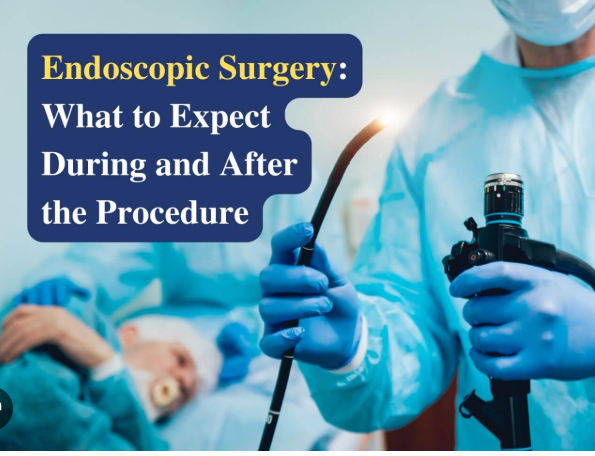
Endoscopic surgery is a minimally invasive medical procedure where a thin, flexible tube called an endoscope is inserted into the body through a natural opening or a very small incision. The endoscope has a camera and light attached, allowing surgeons to view internal organs clearly on a screen.
Unlike traditional open surgery, endoscopic procedures do not require large cuts, making them safer and less painful for patients.
Key features of endoscopic surgery:
- Uses a camera-guided instrument
- Minimal or no external incision
- Performed for diagnosis as well as treatment
- Often done as a day-care procedure
Learn more about endoscopic surgery for piles in dombivli
Conditions Treated Using Endoscopy
Endoscopy is widely used across multiple medical specialties for both diagnosis and surgical intervention. Common conditions treated using endoscopy procedures include:
- Gastrointestinal problems (acidity, ulcers, bleeding)
- Gallbladder and bile duct issues
- Colon and rectal conditions
- Piles, fissures, and fistula evaluation
- Swallowing difficulties
- Chronic abdominal pain
- Suspicion of tumors or abnormal growths
- Diagnostic evaluation before surgery
In many cases, endoscopic surgery helps doctors detect issues early—before they become serious.
Endoscopy vs Traditional Surgery
Understanding the difference between endoscopic surgery and traditional open surgery helps patients make informed decisions.
Endoscopic Surgery
- Small or no incision
- Less pain and discomfort
- Faster recovery
- Minimal scarring
- Lower risk of infection
- Short hospital stay or same-day discharge
Traditional Surgery
- Large incision
- More post-operative pain
- Longer recovery period
- Visible scars
- Higher risk of complications
- Longer hospital stay
This is why minimally invasive surgery techniques like endoscopy are now preferred whenever medically possible.
Safety & Recovery Timeline
One of the biggest endoscopic surgery benefits is its excellent safety profile when performed by experienced surgeons.
Safety aspects:
- Performed under controlled, sterile conditions
- Advanced imaging ensures accuracy
- Low complication rates
- Suitable for elderly and high-risk patients
Recovery timeline:
- Most patients resume normal activities within 24–48 hours
- Mild discomfort may last for a short time
- No prolonged bed rest required
- Faster return to work and daily routine
Recovery is significantly smoother compared to conventional surgery.
When Should You Consult a Surgeon?
You should consider consulting a surgeon for an endoscopic evaluation if you experience:
- Persistent abdominal pain
- Bleeding during motion or vomiting blood
- Chronic acidity or indigestion
- Difficulty swallowing
- Unexplained weight loss
- Changes in bowel habits
- Symptoms not improving with medication
Early consultation allows timely diagnosis and prevents complications.
Explore laser piles treatment in Dombivli
Advanced Endoscopic & Laparoscopic Care
Endoscopy often works hand-in-hand with laparoscopic surgery to provide comprehensive minimally invasive treatment options. Depending on your condition, your surgeon may recommend diagnostic endoscopy first, followed by targeted laparoscopic intervention if needed.
View our minimally invasive piles surgery options
Schedule an Endoscopic Evaluation
Ignoring symptoms can delay treatment and increase risks. With modern endoscopic surgery, accurate diagnosis and effective treatment are now safer, quicker, and more comfortable than ever.
Schedule an endoscopic evaluation today at Amrut Hospital, dombivli and take the first step toward timely care, faster recovery, and better health.